

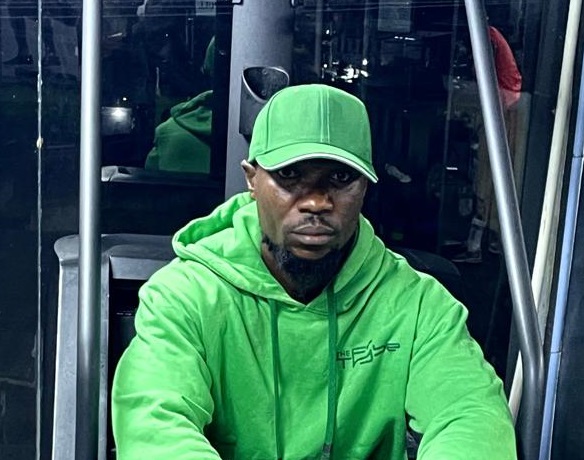
Nigeria’s fitness culture is undergoing a significant transformation, as young people move beyond traditional gym routines and embrace a more balanced, lifestyle-driven approach to health. At the forefront of this shift are running clubs—fast-growing communities that combine physical activity with mental wellness and social connection.
Henry Dada, Director of Fitrybe Run Club, describes this evolution as a turning point in how Nigerians view fitness. “We’re seeing a shift from ‘looking fit’ to actually ‘being well’ in every sense—physically, mentally, and socially,” he says.
Accessible Fitness for All
One of the strongest appeals of running is its simplicity. Unlike many forms of exercise that require expensive memberships or specialized equipment, running is open to nearly everyone.
“With running, all you need is a pair of trainers and the willingness to show up,” Dada explains. This accessibility has made it particularly attractive to young Nigerians navigating economic realities while still prioritizing their health.
Running improves cardiovascular strength, builds endurance, and enhances mobility. But more importantly, it encourages consistency—one of the most critical elements of long-term wellness. Many clubs organize structured sessions and training plans, helping members stay committed and track progress over time.
Participation in major events, such as the Access Bank Lagos City Marathon, has also surged. These races provide runners with tangible goals, transforming casual jogging into purposeful training and achievement.
To complement outdoor runs, many clubs collaborate with community gyms, where members engage in strength training and “pre-hab” exercises designed to prevent injuries. This integrated approach ensures runners develop sustainably, reducing setbacks and promoting longevity in the sport.
Running as Therapy in Motion
In Nigeria’s fast-paced urban centers, stress and anxiety have become common challenges, particularly among young professionals. Running is increasingly being adopted as a practical and effective coping mechanism.
Recent 2026 data shows that nearly 78% of people who exercise now prioritize mental and emotional well-being over physical appearance. This shift underscores the growing recognition of fitness as a tool for psychological health.
For many runners, the act itself becomes a form of meditation. The steady rhythm, controlled breathing, and repetitive motion create a calming effect that allows individuals to clear their minds and refocus.
“The first mile is for the body, but every mile after that is for the mind,” Dada says, capturing the deeper emotional benefits of the activity.
Participants often report improved mood, reduced anxiety, and a stronger sense of control over their daily lives. The release of endorphins during runs—commonly referred to as the “runner’s high”—further enhances this experience, making running a natural and accessible form of therapy.
Building Communities and Social Capital
Beyond health benefits, running clubs are playing a crucial role in rebuilding social connections in an increasingly digital world. These groups serve as “third places”—social environments separate from home and work—where individuals can interact freely and form meaningful relationships.
Members often describe their clubs as supportive networks that go beyond fitness. Friendships are formed, business ideas are exchanged, and collaborations emerge organically during runs and post-run hangouts.
Digital platforms such as Strava and Instagram amplify this sense of community. Runners share their achievements, track progress, and celebrate milestones together, creating a culture of encouragement and accountability.
This blend of online and offline interaction helps sustain motivation. Instead of facing the “solo grind,” members feel part of a collective journey, which significantly improves consistency and long-term engagement.
A Cultural Shift Among Gen Z and Millennials
For younger Nigerians, particularly Gen Z and Millennials, running has evolved into more than just exercise—it is now part of their identity.
Being a runner signals discipline, resilience, and a commitment to self-improvement. It also reflects a broader lifestyle centered on health consciousness and personal growth.
Training for races such as the 2026 Africa Road Running Race is no longer just about competition; it is about belonging to a larger movement. Participants proudly share their journeys online, inspiring others and reinforcing the idea that wellness is both aspirational and attainable.
Importantly, this movement is inclusive. Running clubs bring together people from diverse socioeconomic backgrounds, creating democratic spaces where participation is not limited by financial capacity. This inclusivity sets them apart from high-end fitness centers, which can often be out of reach for many.
The Future of Wellness in Nigeria
The rise of running communities signals a deeper societal change—one that prioritizes holistic wellness over quick results or superficial goals.
These clubs are becoming informal laboratories for personal development, where individuals cultivate discipline, build physical strength, and develop emotional resilience. At the same time, they foster genuine human connections that are increasingly rare in modern urban life.
As more Nigerians join these communities, the impact is likely to extend beyond individual health. A generation that values wellness, connection, and consistency is better equipped to navigate the challenges of contemporary society.
Henry Dada believes this is only the beginning. “Running communities are helping to build a more connected, resilient generation of Nigerians who see health as their greatest asset,” he says.
In a world where stress levels are rising and digital interactions often replace real-life connections, Nigeria’s running clubs offer a simple yet powerful solution: move together, grow together, and thrive together.